Blog / Schicker Ford of St. Louis Service

How to Tell When Your Ford Needs a Brake Repair: Advice From Your Ford Dealer

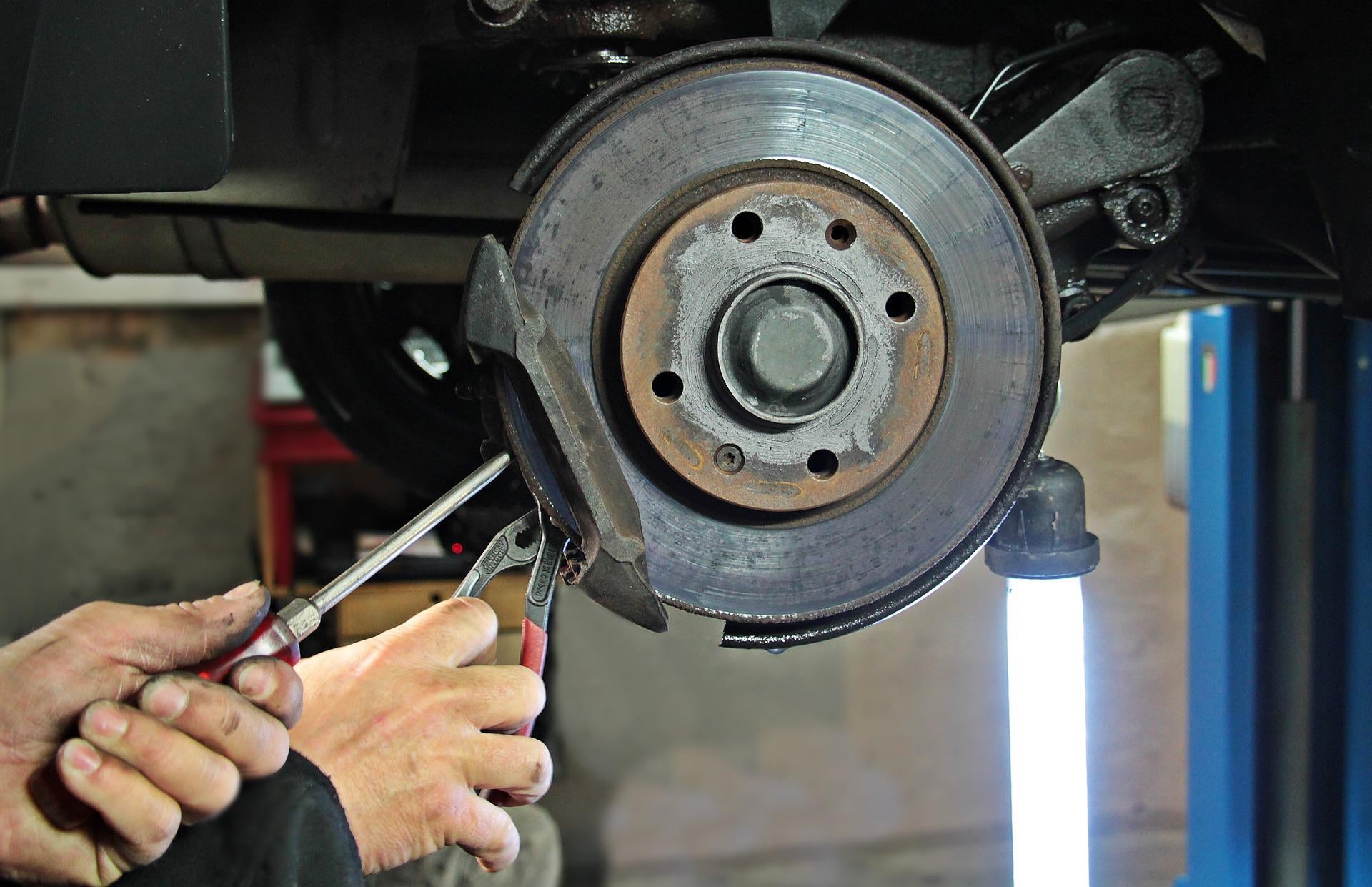
A mechanic working on a vehicle's wheel

Brakes are an essential safety component as they allow you to control your speed. Over time, parts can wear out or get damaged. When this happens you'll need a brake repair at your friendly Ford dealer. We'd like you to know some of the signs that your brakes need to be examined by our experts.

Visual Inspection

Unlike many other systems in your car, you can easily see many parts of your braking system. If you kneel and look between the wheel spokes, you can see the brake calipers, the brake pads, the rotors, and parts of the brake hoses. A visual inspection can give you a good idea if you have a potential brake problem.

If a wheel rotor has a blue sheen or is scratched and cracked, the affected rotor will need to be repaired or replaced. The brake pads should be more than 1/4" thick for safety. If they're thinner than this, they'll need to be replaced. Liquid on the outside of a brake hose suggests a brake fluid leak.

Glazed Brake Pads

Your brake pads fit into the brake calipers, and they help to bring your rotors to a stop. The pads have a friction material covering, and as the pads grip either side of the rotors, the friction material slows and stops the rotors. The material covering is 1/2" thick, but it gradually abrades as you use your brakes. These pads can be damaged by too frequent braking.

If you're riding your brakes, this keeps the pads in close contact with the wheel rotors. While this helps control your speed, the continual friction damages the pad. The surface of the pads becomes glazed or smooth, and they can't generate friction anymore. You may start to notice that your brakes take longer than they should stop your car.

Screeching Brakes

No one wants to hear screeching sounds, especially from their car. If you hear a high-pitched screech when you brake, this means you have a brake problem. The screeching is a sign that your brake pads have worn thin and need to be replaced. As we saw above, a brake pad is 1/2" thick and wears down due to friction with the rotor.

When your pads reach a thickness of 1/4", they need to be replaced. The manufacturers install a warning in the pads in the form of a metal spike. When the pads are due to be replaced, the spike becomes visible. This spike will scratch against the rotor when you use the brakes and generate an ear-piercing screech.

If you experience any brake problems, call our service department ASAP at Schicker Ford of St. Louis.

Image via Pixabay
Posted in:

Related Posts

Ford Mobile Service in St. Louis, MO: Everything You Need to Know

We’ve all been there—you look at your dashboard, see the maintenance light, and realize your busy St. Louis schedule doesn’t have a two-hour gap to sit in a dealership waiting room. Between commuting on I-44 and weekend trips to Forest Park, finding time for Ford service in St. Louis can feel like a chore. At Schicker Ford of St. Louis, we believe your vehicle maintenance should revolve around your life, not the other way around. That’s why we’ve launched our Ford Mobile Service, bringing our expert technicians directly to your driveway or office. Here is everything you need to know about getting elite care for your vehicle without ever leaving your house. What is Ford Mobile Service? It’s exactly what it sounds like! Our Missouri Ford dealership now operates a fleet of specially equipped service vans staffed by factory-trained technicians. We bring the tools, the parts, and the expertise to you. Whether you’re at home in South City or at your workplace near the Arch, we perform the service on-site. Services We Can Perform in Your Driveway You might be surprised by how much our mobile team can handle. We can perform most routine maintenance tasks that don’t require a heavy vehicle lift, including: Oil and Filter Changes: Keep your engine running smoothly with genuine Motorcraft® oil. Battery Replacement: Don't get stranded; we can test and replace your battery on the spot. Brake Service: From inspections to pad replacements. Tire Rotations: Extend the life of your tires while your car stays parked. Software Updates & Recalls: Many Ford recalls and Sync® updates can be handled right in your driveway. Multi-Point Inspections: A full health check to ensure your Ford is road-ready. The Top 3 Benefits of Going Mobile Ultimate Convenience: No more fighting Kingshighway traffic or arranging a ride back from the dealership. You can keep working, relaxing, or spending time with family while we work. No Extra Fees: At Schicker Ford of St. Louis, we currently offer this mobile service with no travel fees. You pay the same price for the service as you would at our physical shop. Expertise You Can Trust: Unlike a general "mobile mechanic," our team consists of Ford-certified technicians using Genuine Ford Parts. This ensures your warranty stays intact and your vehicle stays in peak condition. How to Schedule Your St. Louis Ford Mobile Service Getting your Ford serviced has never been easier. You have three simple options: The FordPass® App: Open the app on your phone, select Schicker Ford of St. Louis, and look for the "Mobile Service" appointment option. Call Us Directly: Give our service department a call at 314-237-2391 and ask to book the mobile van. Online: Visit our Service Scheduling page and request a mobile appointment. Experience the Future of Car Care As a premier St. Louis Ford dealership, Schicker Ford is committed to innovation that makes your life easier. Stop putting off that oil change or recall repair. Let us bring the shop to you and experience why so many drivers are switching to Ford Mobile Service in St. Louis. Ready to save time? Contact us today to see if your zip code is in our current service radius!

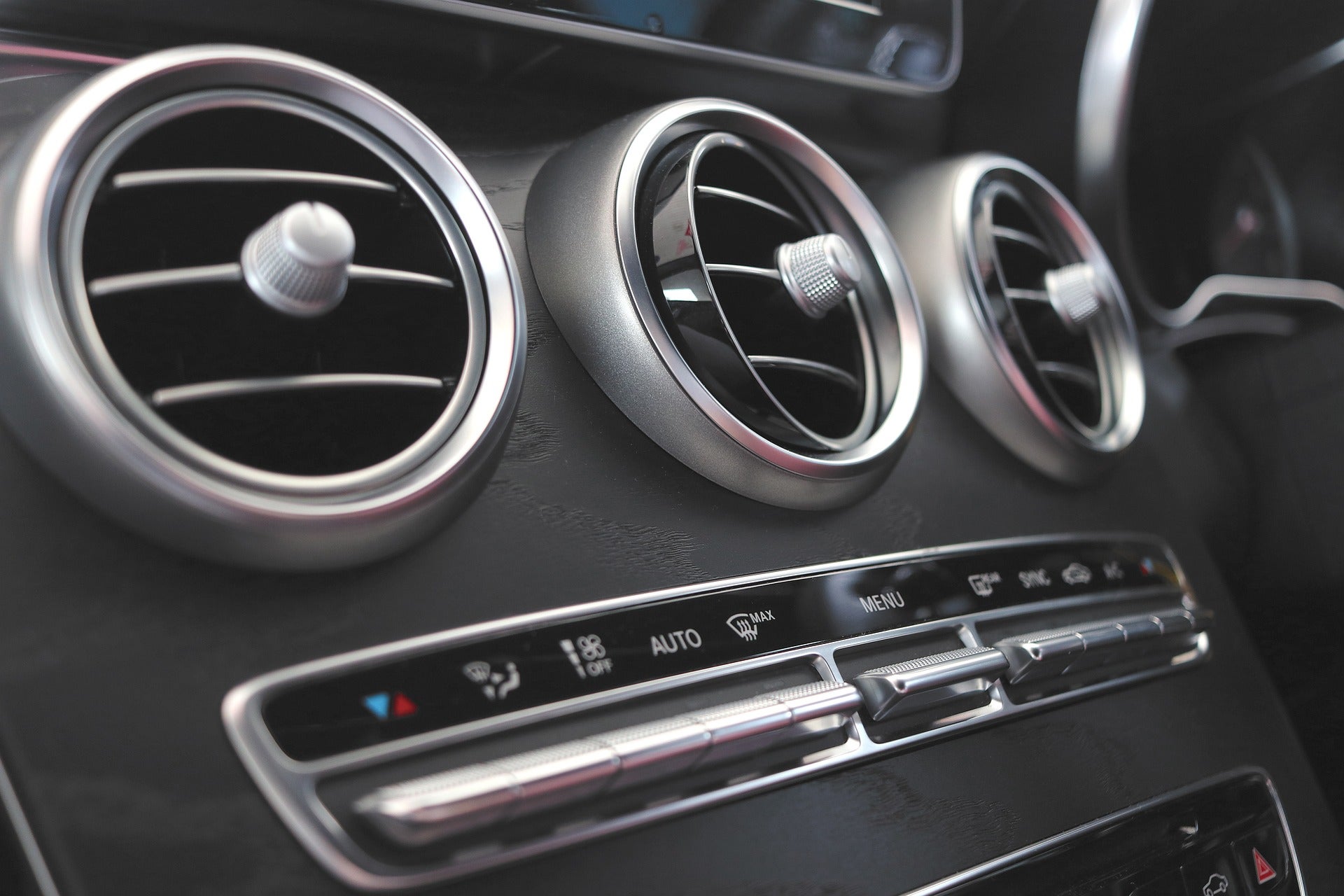
A car's AC unit

Is Your Ford's AC Not Working? Bring It to Your Friendly St. Louis Ford Dealer

When summer temperatures rise, you look forward to a cold AC to cool you off. If you have a car AC not working, you want it fixed ASAP. In St. Louis, MO, your friendly Ford dealer can repair it for you. These are a few of the signs that your AC is experiencing problems. more Damaged Compressor Your AC compressor starts when you turn on your AC, and it switches on and off during the cooling cycle. A compressor is a very robust component, but it's also sensitive to long periods without use. During a Missouri winter, no one uses their car AC. These several months of inactivity can cause damage to the compressor. To keep your compressor in good condition, we advise switching it on for a few minutes at least every two weeks. A prolonged refrigerant leak can damage the compressor. Refrigerant is the gas that allows your AC to chill the air. It changes between gaseous and liquid states and back again during your AC cooling cycle. Leaking refrigerant reduces the system pressure and causes your compressor to work harder than it should. This extra strain can lead to further damage to the compressor. Refrigerant Leak As we saw above, a refrigerant leak can have serious consequences for your AC. Refrigerant, or R-134A, operates under high pressure. It's compressed into a liquid by the compressor. The liquid is then pushed through the system to absorb heat from the cabin and chill the air. This cycle of compression and decompression continues as your AC works. The liquid refrigerant evaporates in contact with the air, and refrigerant gas is invisible. Our technicians use a UV chemical dye and a special UV viewer to trace the path of the refrigerant through the system. This dye allows us to pinpoint the source of the leak so we can repair it. Once the leak is repaired, we'll refill your refrigerant. Blocked Condenser The condenser's job is to cool the refrigerant. The refrigerant absorbs heat, and the condenser cools the refrigerant by using the incoming airflow from the grille. The condenser can become blocked by leaves, dirt, and other debris which is drawn in through the grille. This type of blockage is easy to spot, and our technicians can quickly clear it. Your condenser can also be damaged by debris from the grille, as gravel and other hard material enter the grille at speed. We can examine your condenser for signs of damage and repair or replace it. Your AC is important for your driving comfort. If it's not working like it should call us at Schicker Ford of St. Louis. Image via Pixabay
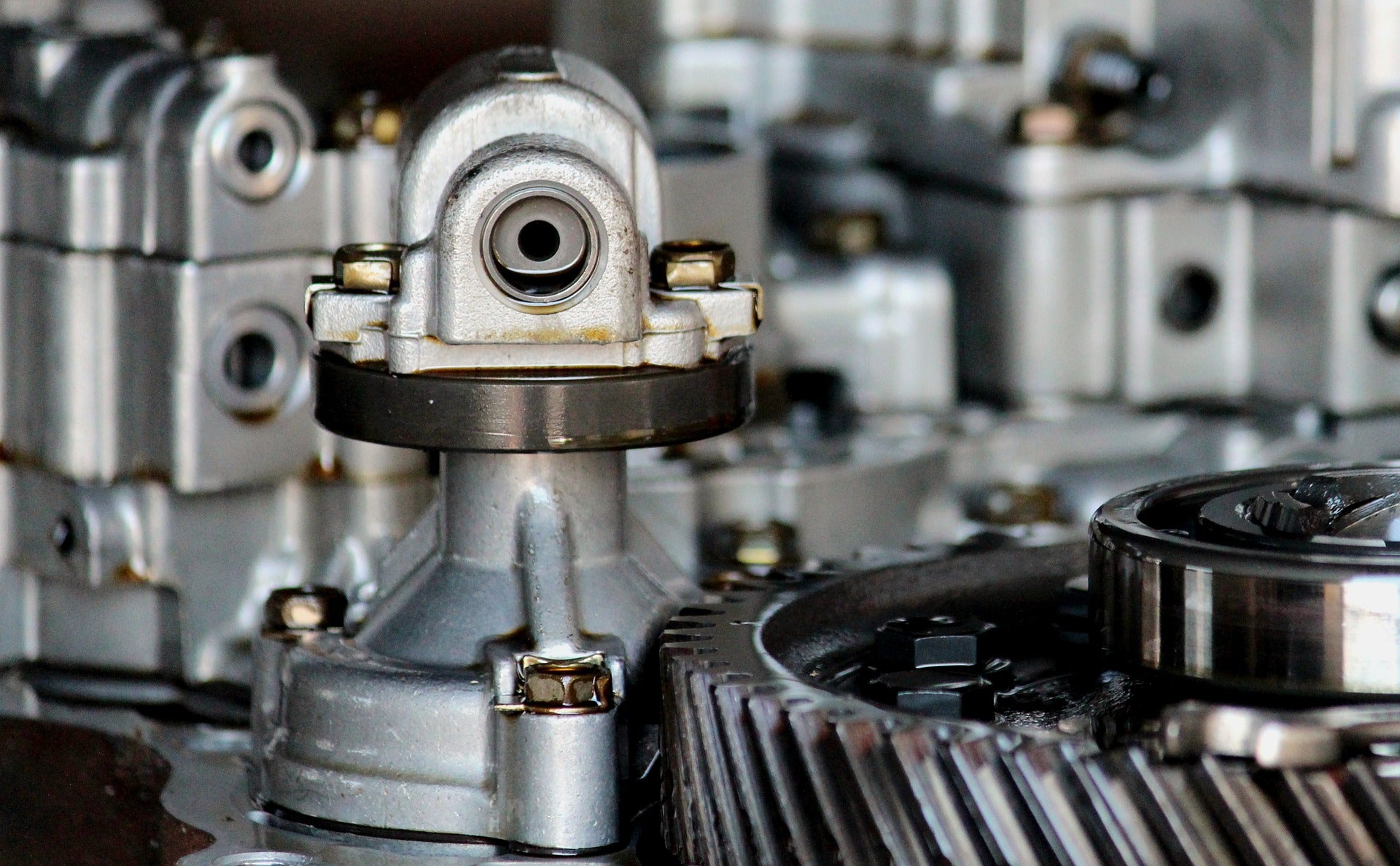
A car transmission

Does Your Ford Need a Transmission Repair at Your Local Ford Dealer?

How do you know when your transmission needs repair? There are vital signs that indicate your transmission is in need of an assessment, either for repair or replacement, which makes it crucial to bring your car to a Ford dealer for transmission repair. more 1. You Detect a Burning Odor When you smell a burning odor from your vehicle, it is likely overheating and may be a sign that your transmission requires replacement. This scent often means that the transmission is old, and as a result, it's beginning to burn. When this occurs, you'll need a fluid change as soon as possible, and your certified technician will assess your transmission and other parts of your vehicle to determine which repairs and replacements are needed. 2. There Is a Fluid Leak If there is a leak under your car, and it is red in color, this is an indication that your transmission may run out of fluid quickly. This leak can be a sign of damage to the transmission, which can impact your safety on the road. It's essential to contact your dealership and arrange towing services quickly for repairs. When you visit your nearest service center, you can inquire about the fluid leak and whether your transmission needs repairs or a full replacement. 3. Your Vehicle Doesn't Switch from Park to Drive When your vehicle becomes unresponsive, it may involve a problem with the transmission and its function. While the switching of gears may also be another concern, any difficulty switching from park to drive is also an indication that you'll need to get your transmission fixed as soon as possible, to avoid further damage or safety issues. When you visit your service center, you may also notice other issues contributing to this problem, including low fluid or if you used the incorrect fluid in your transmission, which can impact its performance. A certified Ford technician will ensure the correct fluid is used and check all factors contributing to your vehicle's unresponsiveness while ensuring there are no serious defects or damage to the transmission, engine, and other parts of your car. 4. Your Gears Begin Slipping If you notice your gears slipping, it's important to stop driving immediately and contact your dealership's service center. While gears may have difficulty switching initially if they begin to slip, your safety on the road is at risk, and repairs are required as soon as possible. Your certified Ford technicians can provide all the assistance and expertise you need when your transmission requires repairs or a complete replacement. Come see us at Schicker Ford of St. Louis and discover our fantastic showroom deals on your next drive to town. Image via Pixabay